Food processing worker injuries in Oregon cluster where the plants are, and in this state that means the Columbia Basin. In and around Hermiston and Boardman, potato lines, cold storage, and packing operations run around the clock, and the same machinery and pace that feed the region also put workers at real risk. Federal data confirms it: food manufacturing carries higher injury and illness rates than manufacturing as a whole. For the thousands of people who keep Eastern Oregon’s food economy running, a serious injury is not a rare event but an occupational reality.
This article looks at where injuries happen inside these plants, the hazards specific to food processing and cold storage, and the workers’ compensation rights every plant worker in Oregon holds. At Schoenfeld & Schoenfeld, we represent injured workers throughout Eastern Oregon and the Gorge, including the ones whose claims an insurer has already denied.
Also Read
The Bottom Line
Food processing is one of the more dangerous ways to earn a living in Oregon, and Eastern Oregon’s plants concentrate that risk. Workers face repetitive-strain injuries from fast, repeated motions, amputations and crush injuries from conveyors and processing equipment, slips on wet or icy floors, and back injuries from heavy lifting.
Two hazards are nearly unique to these facilities: extreme cold in freezer and cold-storage areas, and the anhydrous ammonia used in industrial refrigeration, which can cause chemical burns, frostbite, and dangerous respiratory injury if it leaks. Nearly every plant worker in Oregon is covered by workers’ compensation, regardless of immigration status, which means medical care and wage replacement should be available when you are hurt on the job. The hard part is usually not eligibility; it is getting the claim reported, filed, and paid correctly.
Inside an Eastern Oregon Food Plant: Where Workers Get Hurt
The Columbia Basin is one of the country’s frozen-potato capitals. Lamb Weston alone runs multiple facilities in the area and employs hundreds of workers in Boardman and Hermiston, and it is far from the only processor; onion packers, dairy operations, and cold-storage warehouses round out the landscape.
When the East Oregonian covered a quarter-billion-dollar plant expansion in the region, it was reporting on an industry that anchors the local economy of Umatilla and Morrow counties.
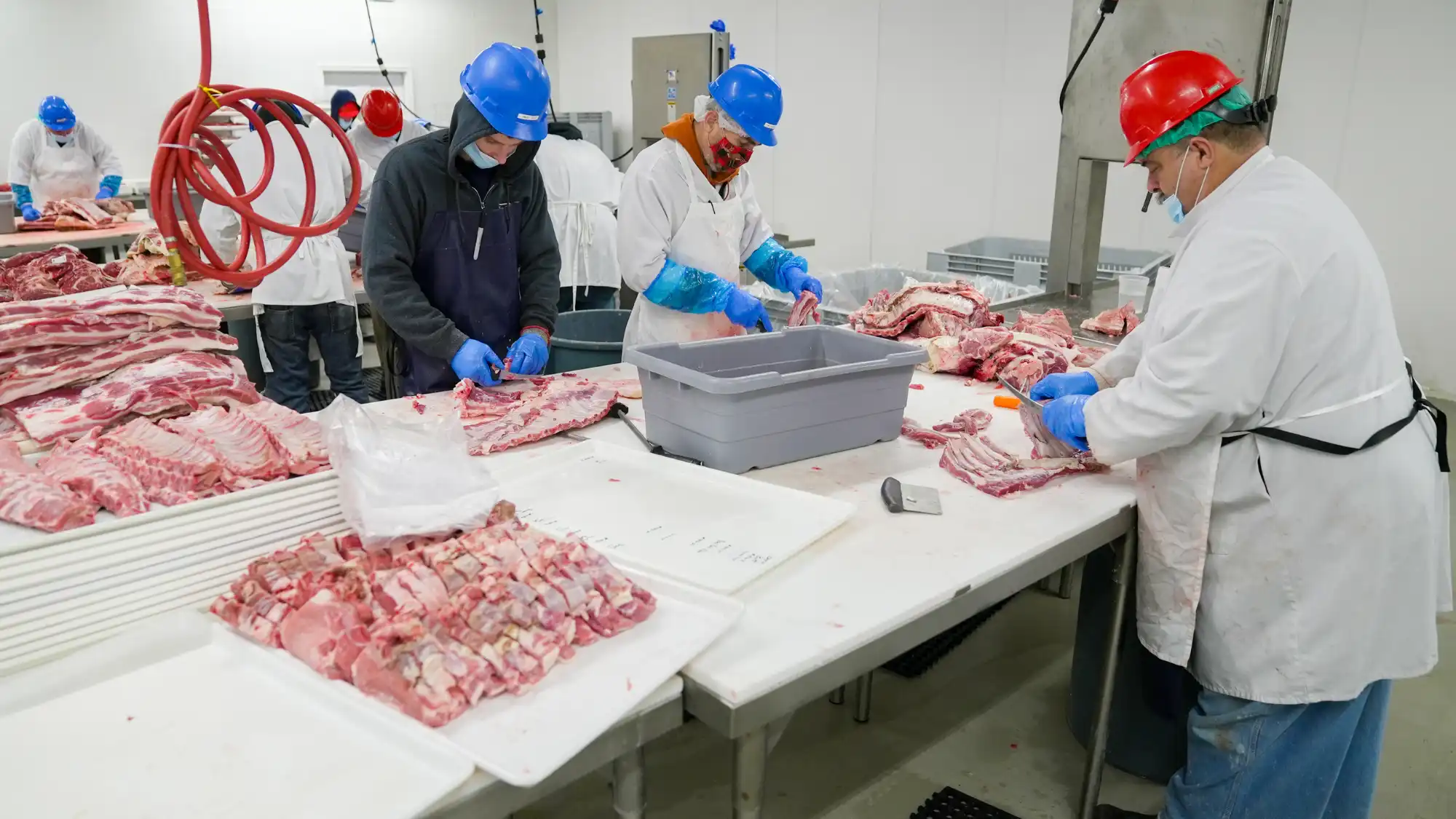
Inside these plants, injuries follow the work. Production lines move fast, and workers stand for long shifts making the same cuts, lifts, and sorting motions thousands of times. Raw product is held in cold storage, sometimes for months, and finished product moves through freeze tunnels and freezers.
According to the U.S. Bureau of Labor Statistics, food manufacturing reports injury and illness rates above the average for all manufacturing. The mix of speed, sharp tools, heavy machinery, and cold is what makes a plant floor hazardous in ways an office worker never has to think about.

The Injuries That Fill the Clinic
Plant injuries tend to fall into a handful of recognizable categories, and most workers will recognize the risks from their own shifts.
Repetitive Strain and Musculoskeletal Injuries
The single most common category is wear and tear from repetition. Deboning, trimming, sorting, and packing demand the same motions all day, and over time that causes carpal tunnel syndrome, tendinitis, and shoulder and back problems. These build gradually, which means they are often claimed as occupational diseases rather than sudden injuries. Our repetitive motion injuries page explains how Oregon treats these claims.
Machine and Conveyor Injuries
Grinders, slicers, augers, and conveyors are efficient and unforgiving. A hand caught in a machine or a piece of clothing pulled into a conveyor can cause lacerations, crush injuries, and amputations in a fraction of a second. Nationally, workers in animal slaughtering and processing suffer serious days-away injuries at more than double the rate of private industry overall, according to Bureau of Labor Statistics research.
Slips, Falls, and Lifting Injuries
Food plants are wet by nature, and floors accumulate water, product, and cleaning runoff. Add refrigerated areas where surfaces ice over, and slip-and-fall injuries become routine. Heavy lifting of boxes, totes, and equipment rounds out the picture with strains, herniated discs, and back injuries.
Hurt on a plant floor and unsure what to do next? The first days after a plant injury shape the whole claim. Talk it through in a complimentary consultation with an Oregon workers’ comp attorney who knows Eastern Oregon’s industries.
Two Hazards Unique to Food Plants: Cold Storage and Ammonia
Some plant dangers do not exist in most other workplaces. Two stand out, and both send workers to the hospital in Eastern Oregon.
Cold Storage Injuries
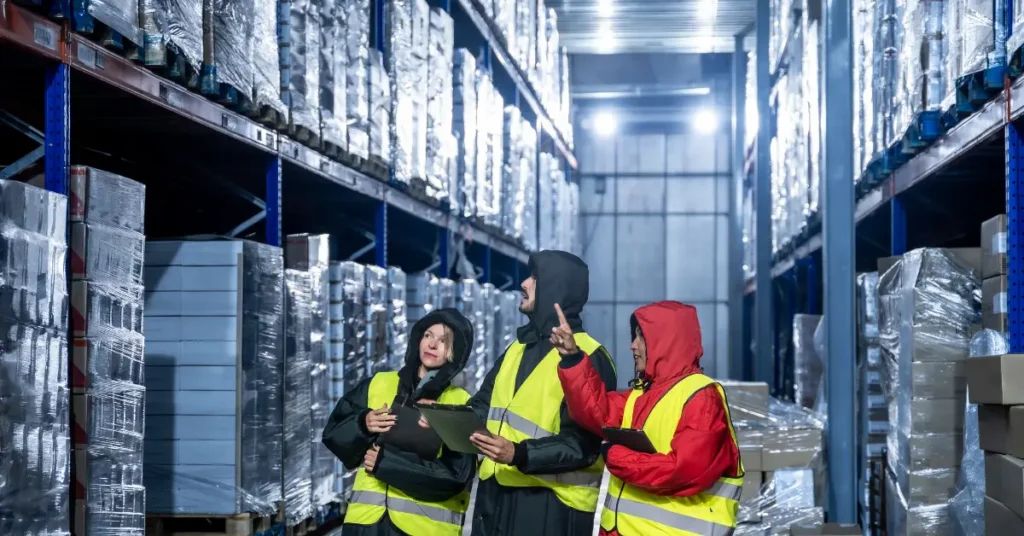
Cold storage keeps the product good and the workers cold. Employees who spend shifts in freezers and refrigerated rooms face cold stress, frostbite, and reduced dexterity that itself leads to accidents, and icy floors add a constant slip hazard.
A cold storage injury is a compensable workplace injury like any other, whether it is an acute frostbite injury or a fall on a frozen surface. Workers sometimes downplay cold-related symptoms until they become serious, which only complicates the claim later.
Ammonia Refrigeration Exposure
Most large food plants use anhydrous ammonia as an industrial refrigerant, and it is hazardous. The Occupational Safety and Health Administration notes that ammonia is corrosive to the skin, eyes, and lungs, that concentrations of about 300 parts per million are immediately dangerous to life and health, and that its extreme cold can cause frostbite because it boils at 28 degrees below zero.
A leak or line rupture can injure or kill workers through inhalation and chemical burns, which is why systems holding large quantities fall under OSHA’s process safety management rules. When an ammonia release does happen, the injuries are often severe and the claims are serious.
Injured by an ammonia leak or a cold-storage accident? Serious plant injuries deserve a serious advocate. Contact Schoenfeld & Schoenfeld or call 971-703-7543 for a complimentary consultation.
Your Workers’ Comp Rights as an Oregon Plant Worker
Nearly all Oregon employees are covered by workers’ compensation, and food processing workers are no exception. If you are hurt on the job, you are generally entitled to medical treatment for the injury and time-loss payments that replace part of your wages while you cannot work.
Coverage does not depend on your immigration status, a point that matters in an industry with a large immigrant and Spanish-speaking workforce; our En Español resources exist for exactly these workers and their families.
The practical challenge is rarely whether you qualify. It is the process. Report the injury to your employer promptly, get medical care, and make sure the claim is actually filed with the insurer. Gradual injuries like repetitive strain need to be connected to your work with medical documentation, and the Oregon Workers’ Compensation Division sets the rules that govern each step.
Insurers deny plant-worker claims for familiar reasons: disputed causation, an alleged pre-existing condition, or a late report. Many of those denials do not survive once the medical and factual record is properly built.
Five Things Every Oregon Plant Worker Should Know
Keep these in mind before you ever get hurt, and they will serve you well if you do.
- Report immediately. Tell your supervisor and ask to file a claim the day you are injured, even if the injury seems minor. Delay is the insurer’s favorite defense.
- Repetitive injuries count. Carpal tunnel and other gradual conditions are compensable, not just single-incident accidents.
- Cold and chemical injuries are covered. Frostbite, cold stress, and ammonia exposure are workplace injuries like any other.
- Your status does not disqualify you. Oregon workers’ comp protections apply regardless of immigration status.
- A denial is not the end. You have the right to challenge a denied claim, and denials are frequently overturned.
Conclusion
Food processing worker injuries in Oregon are the predictable cost of a demanding, essential industry, and the workers who keep the Columbia Basin’s plants running deserve the full protection the law provides.
The hazards are real, from repetitive strain and machine injuries to the cold and ammonia that are particular to these facilities, but so are your rights to medical care and wage replacement when you are hurt.
At Schoenfeld & Schoenfeld, we know the industries of Eastern Oregon and the workers who staff them. Steve Schoenfeld has handled thousands of Oregon workers’ compensation matters, and our small firm gives injured plant workers a hands-on advocate rather than a file number, in English and in Spanish.
This article is general information, not legal advice, and every claim rises or falls on its own facts, so the right next step is a conversation about yours.
Injured at a food plant in Hermiston, Boardman, or anywhere in Eastern Oregon? Let our experience work for you. Bring your questions about your injury and your claim, and we will map out the path forward. Schedule a complimentary consultation with Steve Schoenfeld or call 971-703-7543 today.